
It is not unusual to feel sad, blue, or depressed from time to time. Sadness is a normal reaction to loss, life struggles, or injured self-esteem. Sometimes, however, these feelings are so intense and long lasting (usually lingering more than a month) that they interfere with your ability to think, work, sleep, eat, enjoy being with others, and care for yourself. This is referred to as major depression and should be discussed with your medical doctor who may prescribe medication.
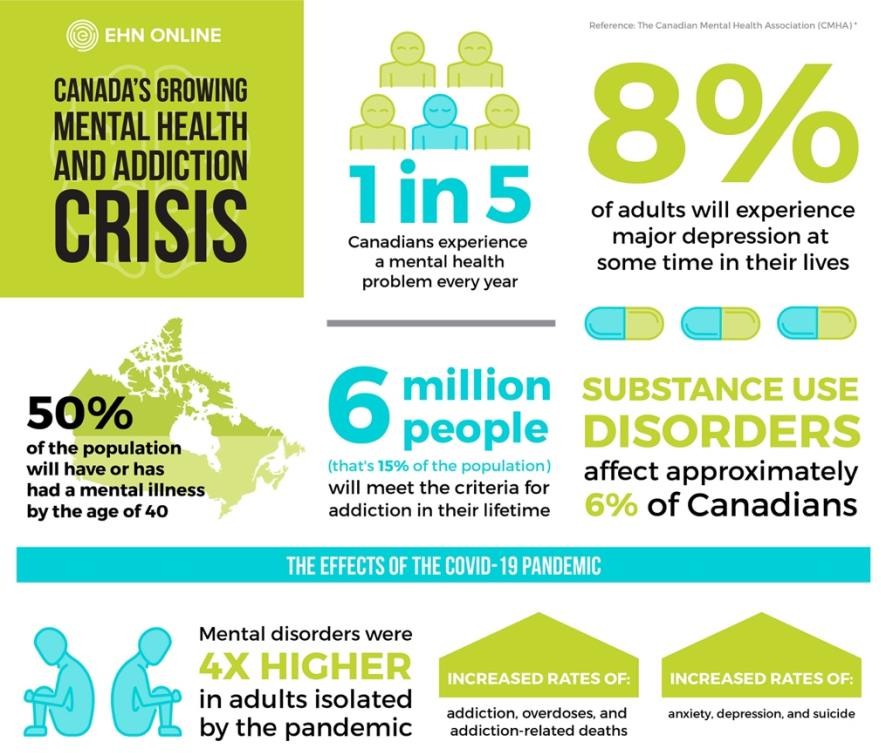
Depression is common among addicts during the recovery process, often related to the actual depressant effects of alcohol or drugs or to the family, job, financial, and other problems caused by addiction. Depression saps your energy, reduces your motivation to change, and increases your feelings of hopelessness, all at the same time. Unfortunately, many seek solace in their addiction, and relapse. Returning to your addiction is not an effective means of coping with depression, for it only serves to make you more depressed in the long run. Depression includes feelings of helplessness and hopelessness. Negative thinking that is associated with depression can make it difficult for someone to take the steps necessary for recovery.
Following are several coping skills that have helpful in managing mild to moderate depression. (They can also be helpful as part of treatment for major depression.)
Increased Awareness
When you were active in your addiction, you were unaware of important information in the world around you, as well as inside your own head. Be on the lookout for signs of impending depression so that you can take steps to ward it off.
- When you start to feel sad, gloomy, ashamed, bored, lonely, or rejected, tune into what’s going on. These are important clues to how you’re thinking.
- If you are having trouble recognizing your feelings, start talking about them. Tell someone just how you are feeling at any given moment.
- Notice your posture, your facial expressions, how you are walking and moving. These are important clues to how you’re feeling.
- Keep a lookout for sober people, places, and activities that you once enjoyed but are now avoiding. Don’t try to analyze the reason. Just be aware that you are trying to avoid them.
- Are there are times and places when you lean on others for help with things you can do yourself? Lack of confidence can be a sign of depression.
- Do you have to force yourself to make or return phone calls? Do you have trouble completing tasks? Decreased interest in activities can be a sign of depression. Difficulty making decisions or second guess yourself can be signs of depression.
Change Your Thinking
A characteristic of depression is the tendency to view the world and yourself through inaccurate and depressive perceptions. It’s important that you examine your thoughts to discover ways they may be contributing to your feelings of sadness and depression. Become aware of your self-defeating thoughts. Ask yourself why you are having these thoughts. Replace these inaccurate and depressing thoughts with healthier, more realistic ones and act on the new thoughts.
Change Your Activity Level
When you are depressed, you do less, blame yourself for doing less, and become even more depressed and apathetic. Increasing your activity level is a way to change your thinking and feelings. Activity improves mood, counteracts fatigue, increases motivation, and sharpens mental ability. And most likely, others will respond positively to your attempts to become more active, providing reinforcement for continued change. Exercise, go to a movie or a ball game with a friend, participate in social activities, and otherwise engage in life. Studies show that even very depressed people feel better when they become more active.
Make a Plan
 How do you become (and remain) involved in activities? Make a plan. You can schedule three kinds of activities: 1) things you do daily such as having dinner,
2) things that give you pleasure such as music, and 3) things that bring you a sense of satisfaction such as finishing a project. Your primary goal is to follow the schedule you established for yourself. The focus is to become more active and involved in life.
- Make sure your plan allows for alternatives if the activities you plan suddenly fall through. For example, if you planned a hike in the river valley but it rains,
instead of getting down in the dumps, go to a movie. Then get on with the rest of your schedule.
- Schedule activities in half-hour to one-hour increments. A six-hour hike is too much for one activity. If you make it too long or too complex, it will be tempting to skip the activity altogether. On the other hand, 15 minutes of playing games on your phone may not provide enough activity.
- Don’t get too specific or too general. Instead of shopping for a certain colour of item, simply plan to go to the mall for one hour. Just getting out and walking through the mall is more important than going to a specific store looking for a specific item.
- Plan for quantity, not quality. When you are depressed, remember that anything worth doing is worth doing poorly. If you go bowling, getting a 75 is as good as rolling a perfect 300, if it gets you out of the house and out of your depressed mindset. If you golf, scoring 150 is as good as making par. The important thing is that you’re doing something.
- Pat yourself on the back after completing a planned day of activities. Analyze what you’ve done. Look at what you did right and see where you can improve. If you completed most of the tasks you planned, congratulate yourself and set new goals for tomorrow.
Interact with others
Being with people can be very useful because it helps to draw you out of your isolation and get you engaged in conversation and activities. Try to be with other people. Confide in someone, tell them how you’re feeling (but don’t burden them with lengthy recitations of your problems). Let your family and friends help you. They don’t have to try to cheer you up, simply be with you.
Be optimistic Yet Realistic
It’s easy to conclude that you’ll never be happy again, but with time and the right treatment (if necessary) there’s a good chance you’ll cheer up. Look forward to being happy again but expect your mood to improve gradually over time. Feeling better takes time, and people rarely snap out of depression. You’ll feel better day by day, but in the meantime postponed important decisions until your depression has lifted. Before deciding to make significant changes or transitions such as taking a new job or getting married or divorce, discuss the situation with others who know you well and have a more objective view of your situation.